From Folklore to Coral Reefs: Nine Days Exploring the Central Provinces
This itinerary takes you through nature sanctuaries in the central provinces, where marine biodiversity merges with authentic rural traditions. Discover national parks, explore wildlife refuges, and immerse yourself in communities that keep Panamanian folklore alive.
-
Route:
-
Land at Tocumen International Airport.
-
Rent a car at the airport for your trip.
-
Start your trip through the provinces of Herrera, Los Santos, and Veraguas.
-
Return to Panama City.
Itinerary:
-
Turnoff: Divisa, kilometer 100.
Travel distance: 270 km from Tocumen International Airport to Chitre.
Want to experience the local culture?
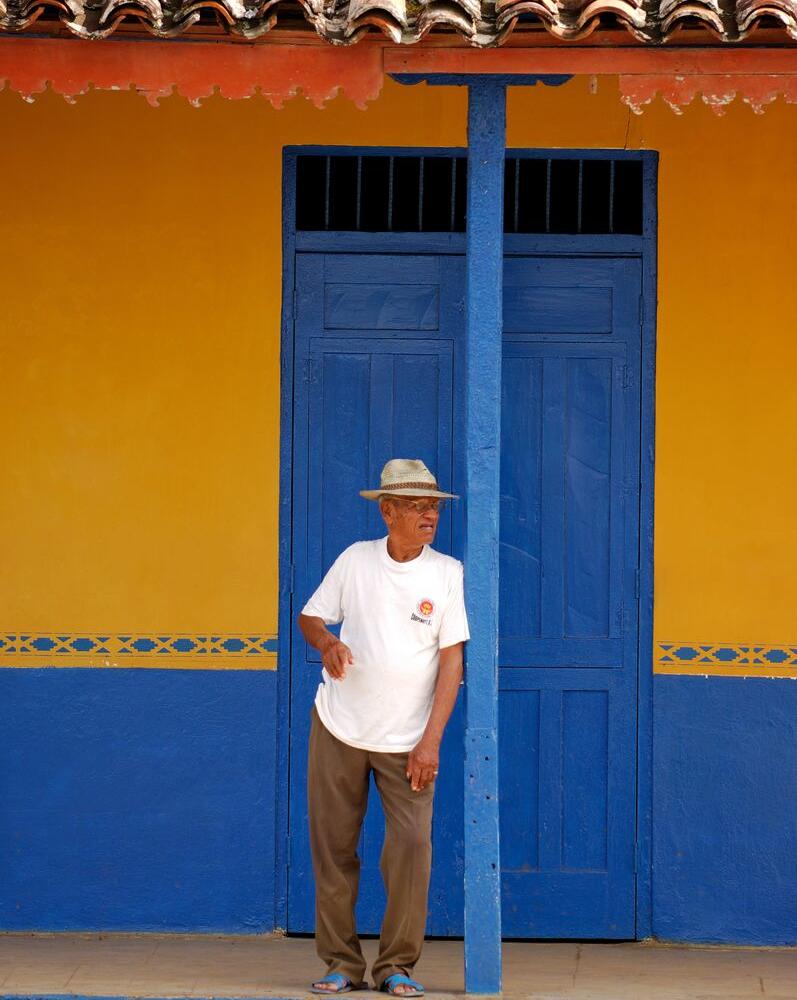
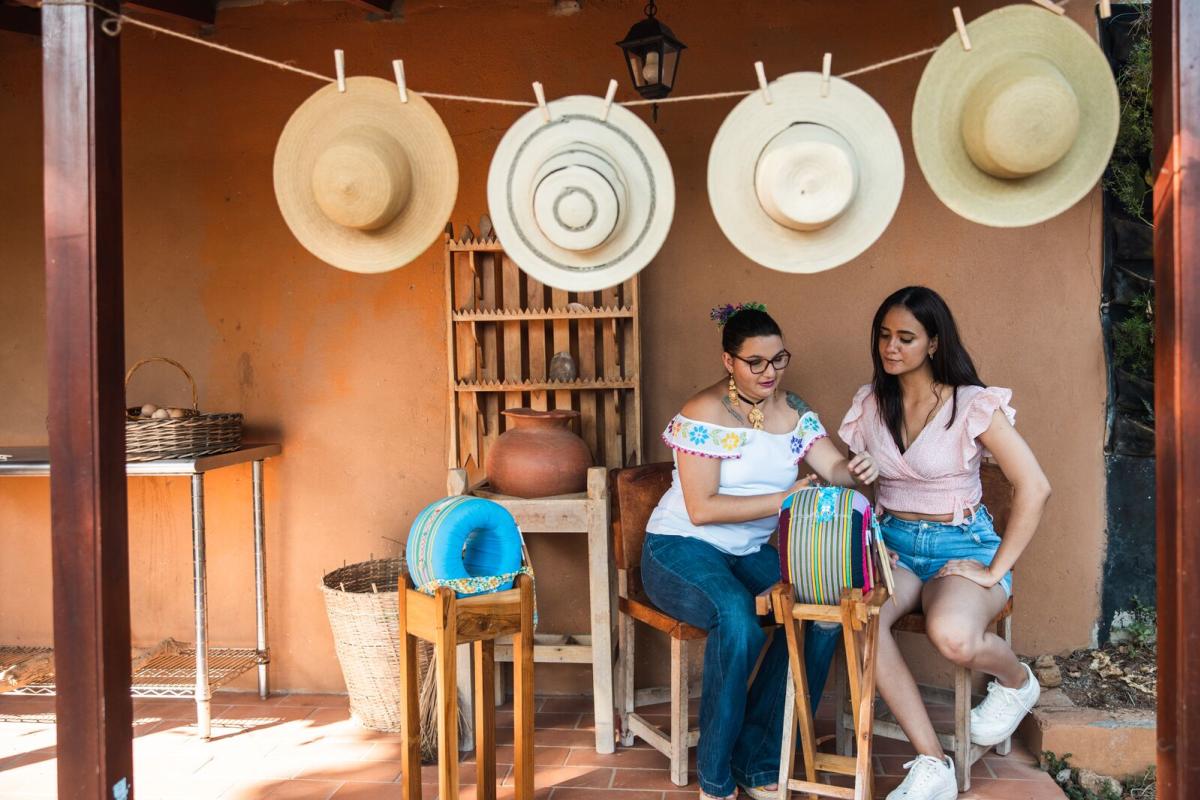
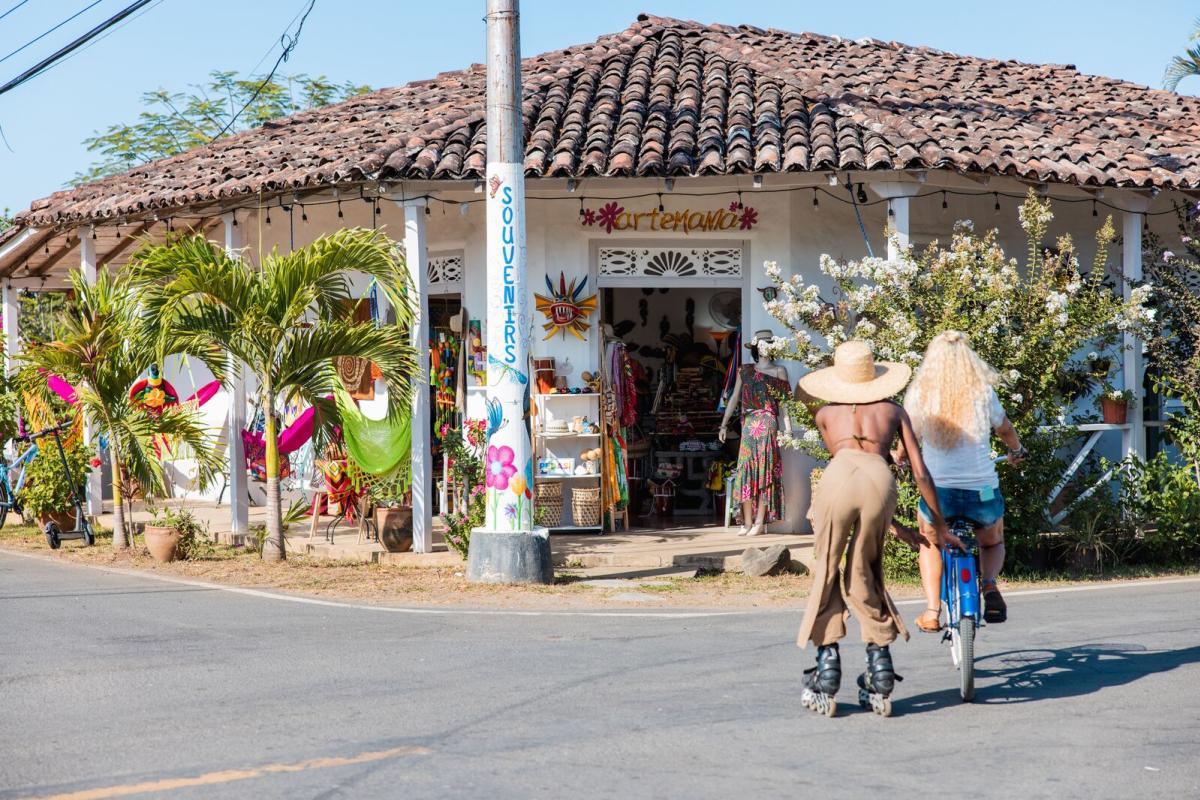
Welcome to Chitre, capital of Herrera Province, where our journey begins. In Panamá’s central provinces, ancestral traditions mixed with colonial influences have created a culture rich in art, dance, and gastronomy. Take a cultural tour to meet real artisans and discover firsthand how our folklore is woven and crafted.
Don’t miss out
Do you have time to keep exploring? Add a visit to one of the most extreme landscapes in our country to this adventure.
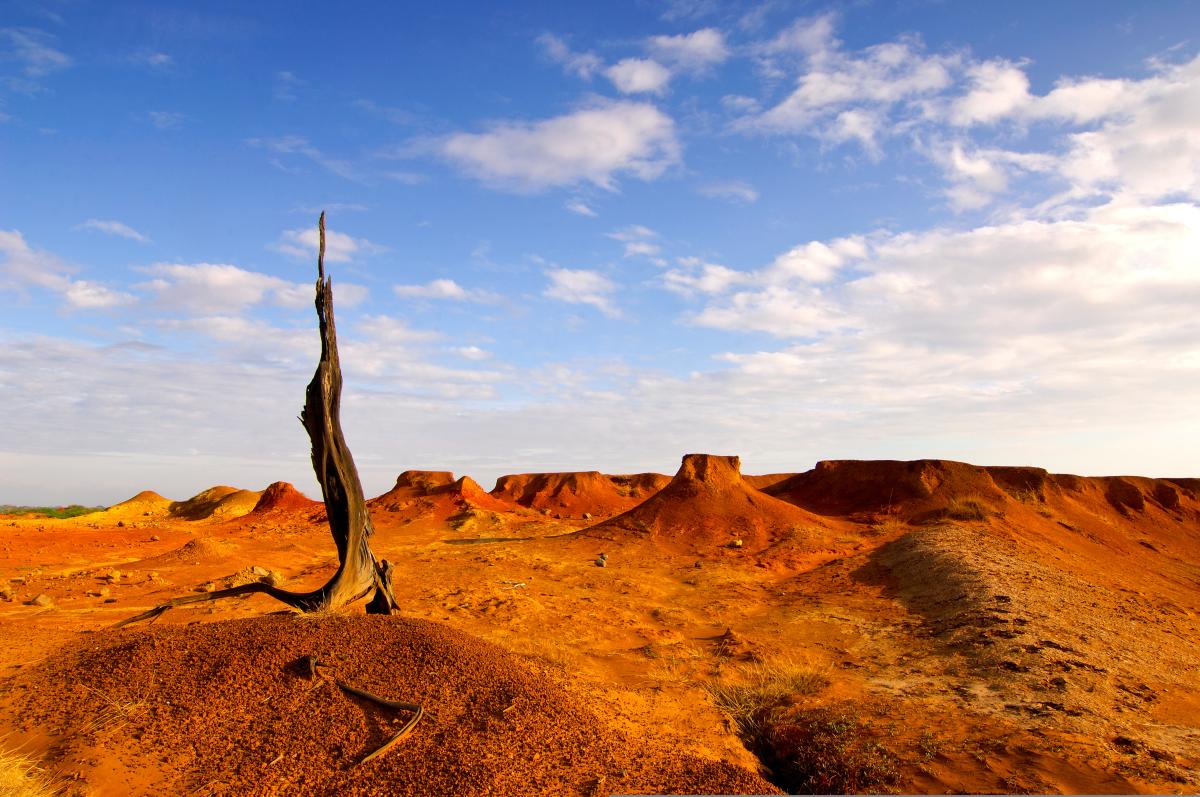
Sarigua National Park is a nature reserve that seeks to preserve a landscape totally different from what we can see throughout the country. Although you’ll see something very similar to a desert, the park doesn’t fall into this category. There, the salt in the soil has dried up the environment, creating a unique panorama: red soil and little vegetation except for a live, prosperous mangrove.
Start your journey in a dry but very diverse landscape, discover a different kind of vegetation, tour the mangroves, which are full of life, and—if you love bird-watching—enjoy looking for more than 160 species of migratory birds that pass through this area.
-
Travel distance: We’ll stay in Chitre.
Curious about where rum comes from?
From Herrera, of course! Home of the Rum Route.
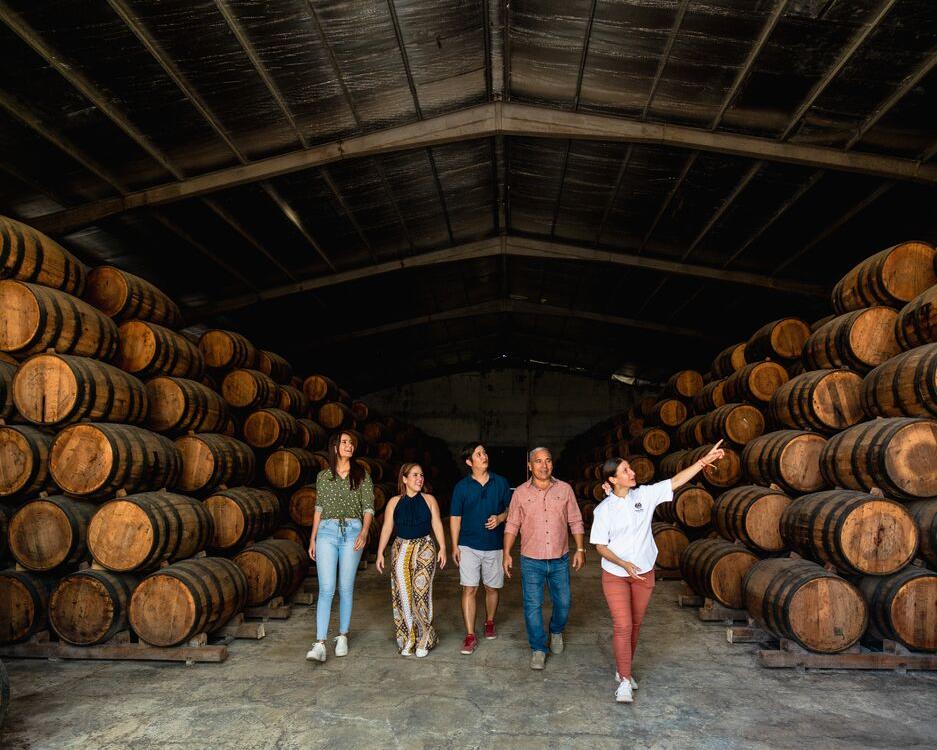
On your trip to Chitre, you passed through fields of sugarcane, an essential ingredient in various recipes that are typical in this region. Now, you’ll visit Pese, 27 km away, to tour the fields, learn about the distillation process, and enjoy a rum tasting on an estate that specializes in this drink, which is very important to the region.
-
Travel distance: 31.5 km from Chitre to Las Tablas.
What to do?
We arrive in the second province, Los Santos. In Las Tablas, the capital of the province and the birthplace of the folklore of the central provinces, you can learn a bit more about our culture and traditions. Visit the weavers and artisans who, stitch by stitch, create some of the most expensive traditional clothes on the continent, the pollera. Learn about the pintao hat, and the incredible process the weavers carry out, recognized as Intangible Cultural Heritage by UNESCO.
What to Eat?
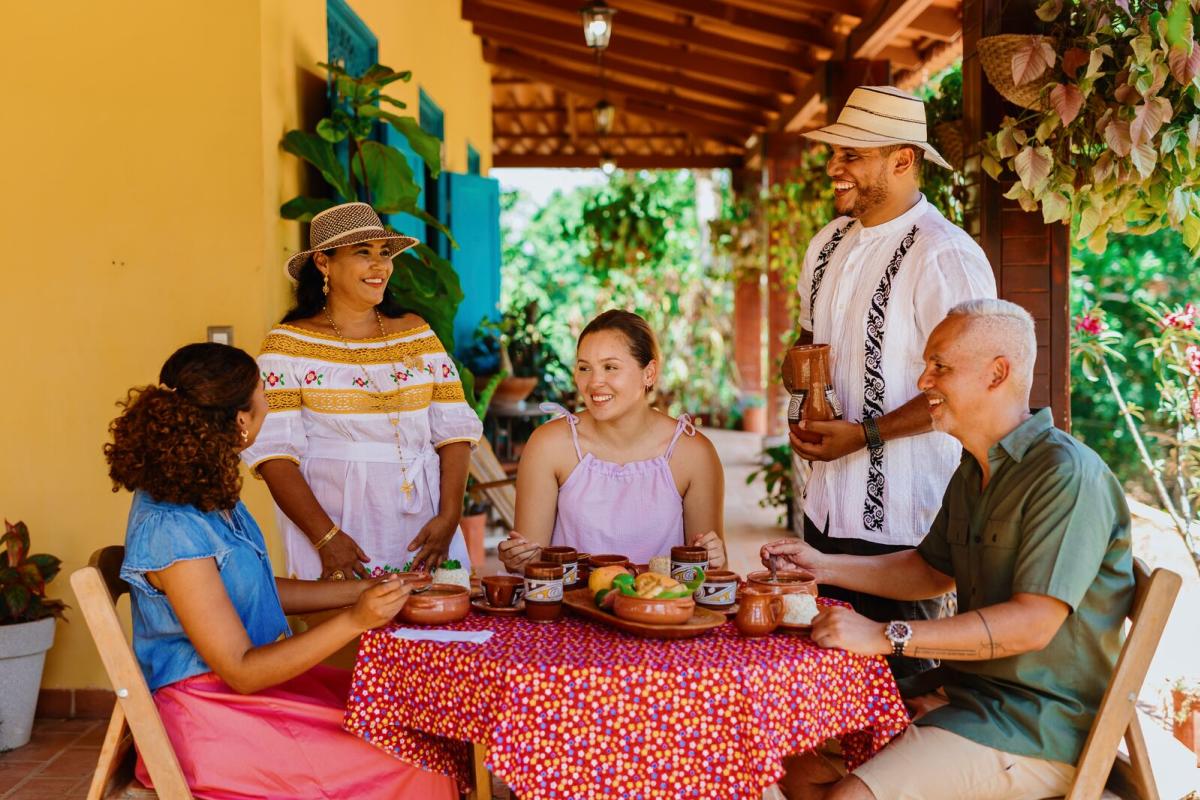
Las Tablas is the perfect place to find a good plate of traditional Panamanian food. Fondas are small, casual restaurants serving typical food made by the hands of local cooks full of ancestral knowledge. Take the time to try the best dishes at the fondas, such as ropa vieja, sancocho, rice with pigeon peas, or the various fried foods that we serve at every breakfast.
Don’t miss out
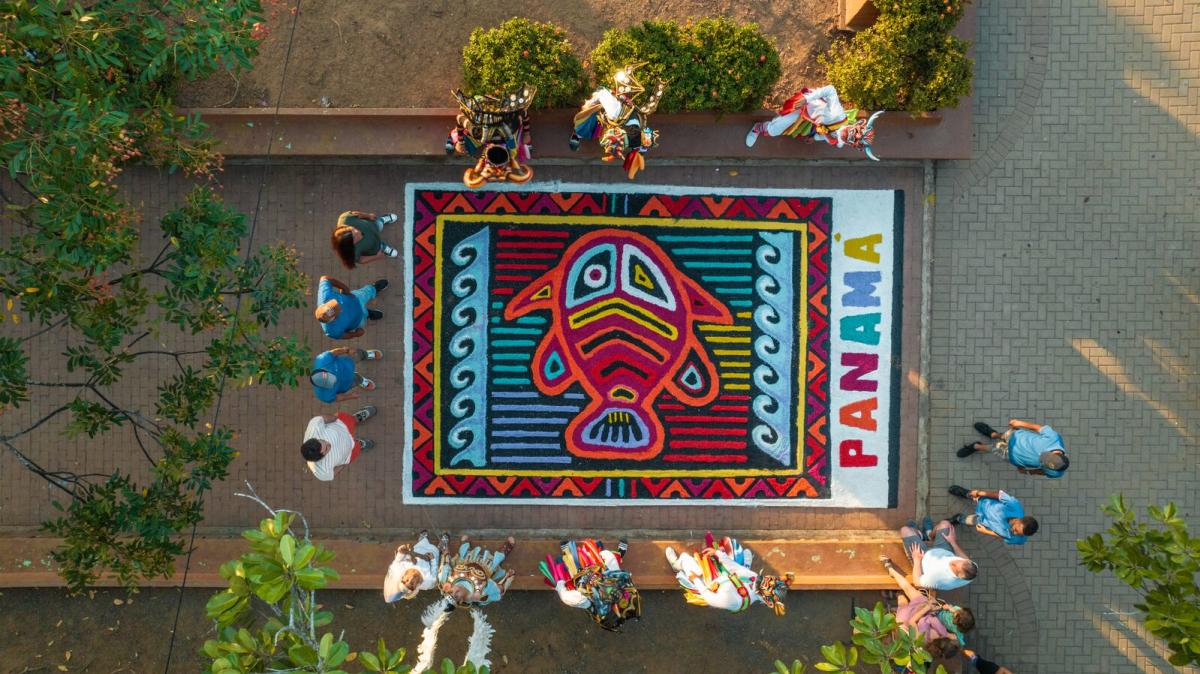
To discover the true essence of Panamá, dare to experience at least one traditional celebration. If you visit us in February, be sure to stop in Las Tablas to enjoy Carnival, and if you visit us in June, you’ll be amazed by the celebrations for Corpus Christi in La Villa de los Santos, a festival so important that it has been declared Cultural Heritage by UNESCO.
Read more information about how and where to enjoy the folklore of the central provinces here.
-
Travel distance: 44 km from Las Tablas to Playa El Arenal.
Ready to connect with nature?
This stop is very special because your adventure through natural landscapes full of marine life starts here.
At the Playa El Arenal port, take a boat to Isla Iguana Nature Reserve.
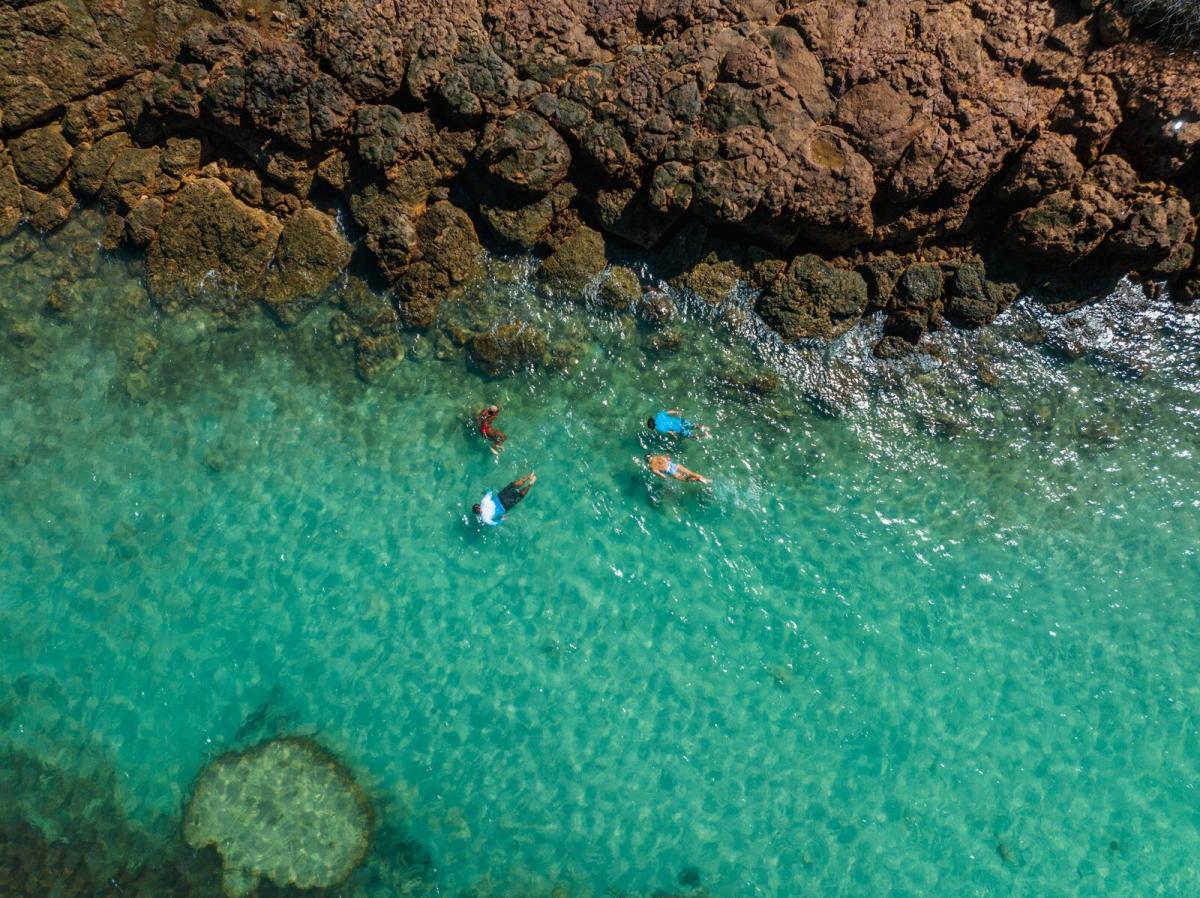
This small island is full of biodiversity on the beach, in the sky, and underwater. Without going too far from the beach, you can snorkel over a reef of more than 40 hectares, with 17 species of coral and hundreds of colorful fish. Plus, on the beach, you’ll see crabs, hermit crabs, and iguanas. Finally, by following the small path on the island, you’ll be able to see hundreds of seabirds that have made the upper part of the island their nesting place.
Don’t miss out
When you return from the island, take your time exploring Pedasi. This super charming town is only a few minutes from the port. Explore its streets with colorful murals and single-story houses. In Pedasi, you’ll find hostels, hotels, and rental houses, in addition to traditional restaurants and cafés serving specialty coffee.
-
Travel distance: 33 km from Pedasi to Playa Venao.
What to do?
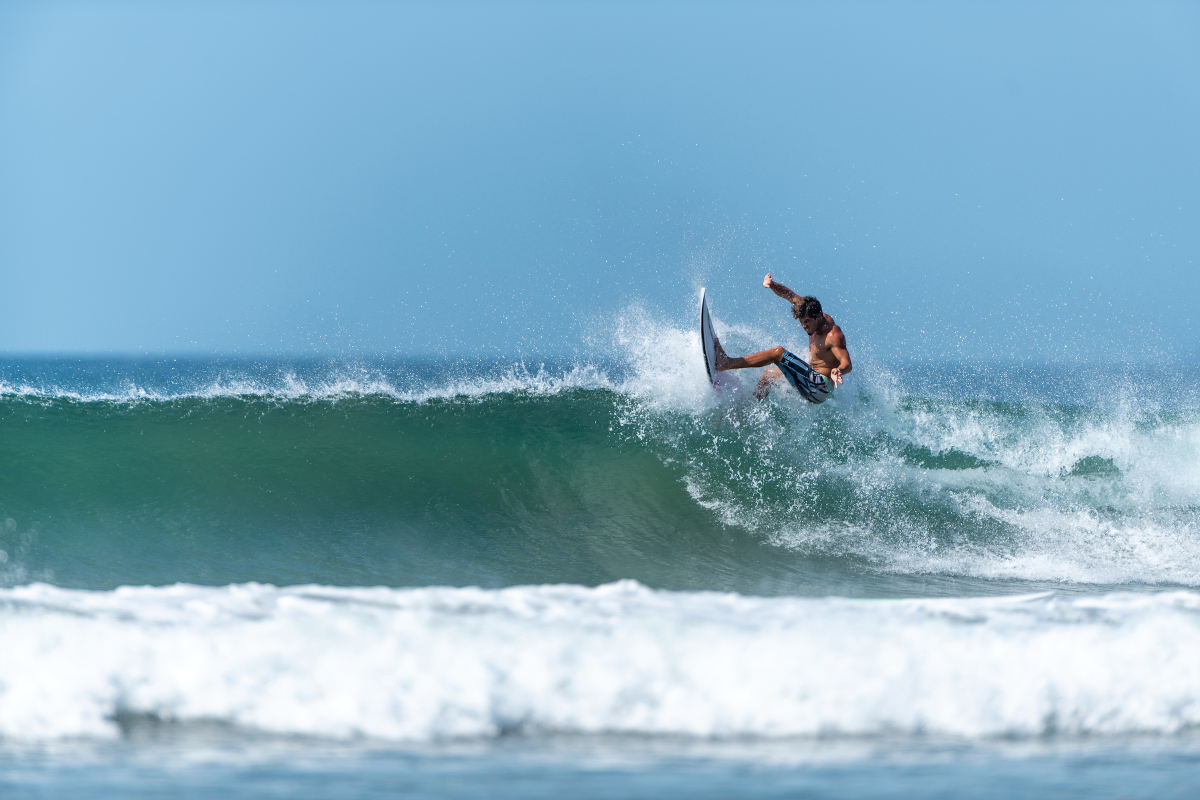
Visit Playa Venao, a community for surfers and beach lovers, to try this beautiful sport and, above all, to feel the best vibes.
Venao developed gradually as people came to this beach looking for the perfect waves to practice their tricks and never left.
If you’re an expert surfer, this community is for you. You’ll be welcomed with events, shops, and the best waves for you to enjoy perfect surf sessions. And if you’re a beginner, or even if you’ve never been on a board, don’t worry. In Venao, there are several schools with teachers that will give you the best tips so you can have fun and learn how to stand up on the board in just a few minutes.
Don’t miss out
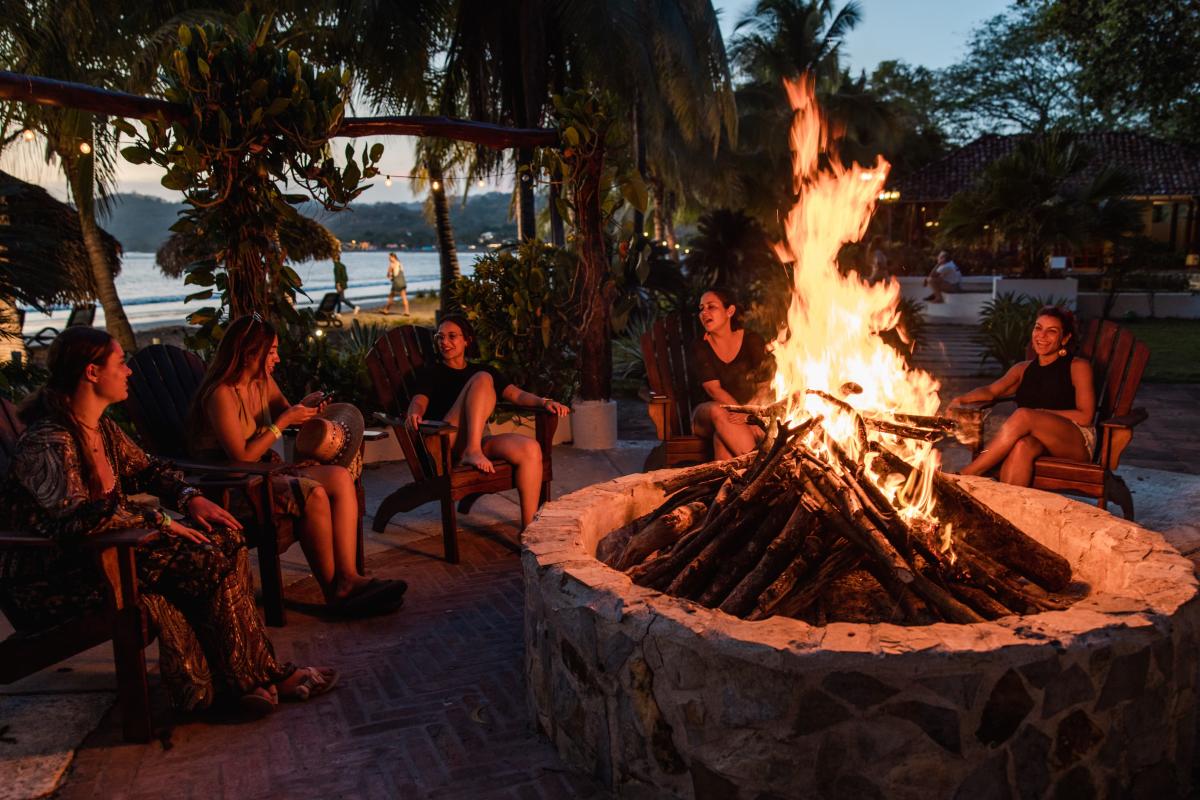
Do you have more time and want to try something different? Take a few days to reconnect with yourself and with the strength of the ocean. Stay in Venao, book yoga classes at sunrise or guided meditation with music at sunset, and dance the night away on the beach at one of the parties or EDM events that are held throughout the year.
-
Travel distance: 31 kilometers from Venao to El Cacao, Tonosi.
What to do?
Let’s keep searching out unique experiences in nature. From the district of Tonosi, visit the best beaches to see sea turtles: La Marinera Beach Reserve and Isla Cañas Wildlife Refuge National Park.
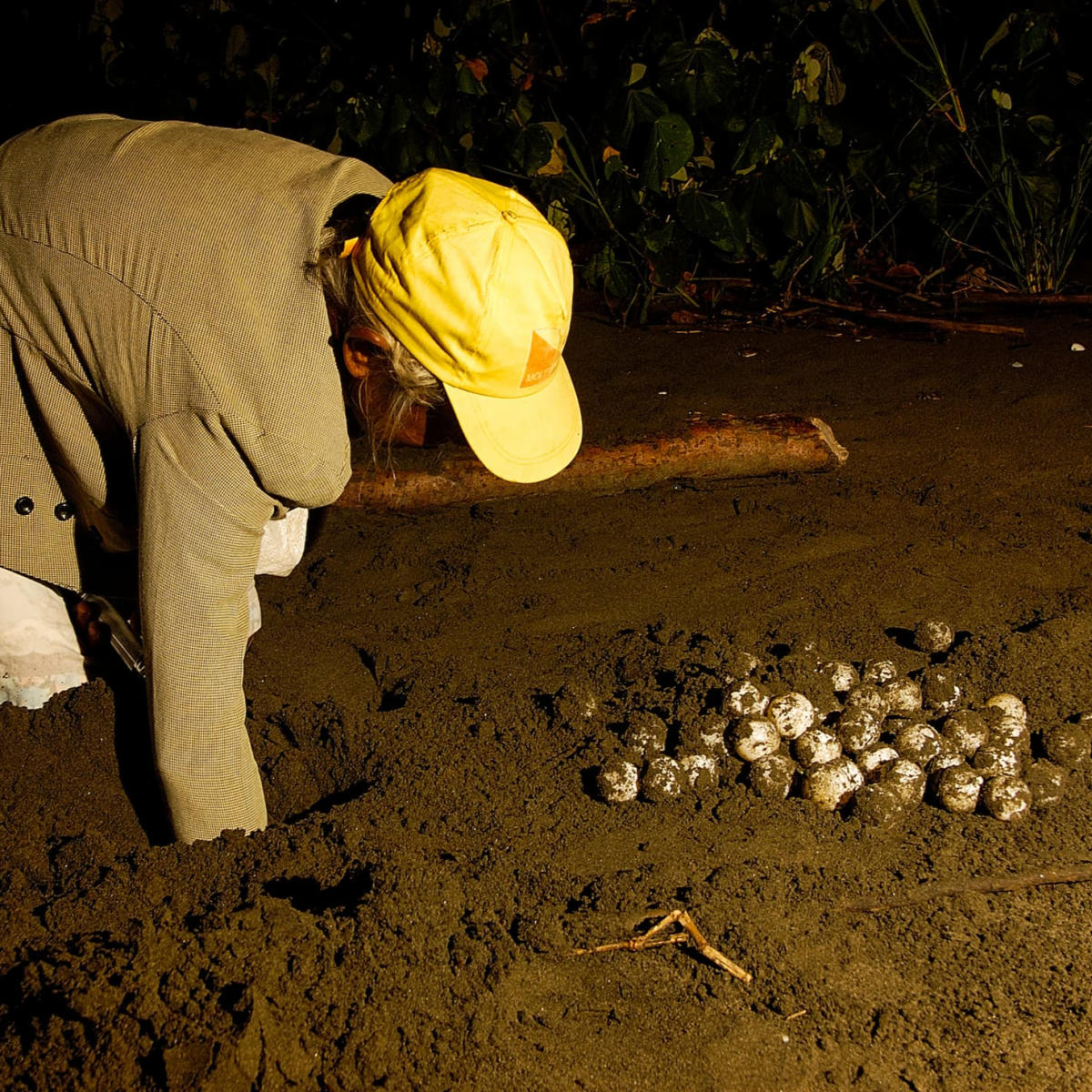
To have the best experience, contact the refuges and local guides to participate in a midnight patrol or release evenings. On night patrols, you’ll learn how to look for turtles and identify the nests, and they’ll show you what they do to help the eggs survive until the baby turtles hatch. On release days, when the turtles hatch from their eggs, just as the sun goes down, volunteers and tourists gather on the beach to accompany the little turtles on their first trip toward the ocean.
When you visit Isla Cañas and La Marinera, if you are lucky, you may experience an arribada. These are 2 of only 14 beaches worldwide where you can witness this phenomenon.
And what exactly is an arribada? This is a natural, wild, and unpredictable phenomenon that occurs only a few nights a year and, when it happens, can congregate thousands of nesting sea turtles.
It is important to understand that the occurrence of an arribada is not guaranteed on any specific date, as it varies due to natural factors that cannot be quantified or predicted. If you do get to witness it, it will be an unforgettable surprise and a once-in-a-lifetime experience.
To learn more about this experience and other beaches in the region, visit our sea turtle watching page.
Don’t miss out
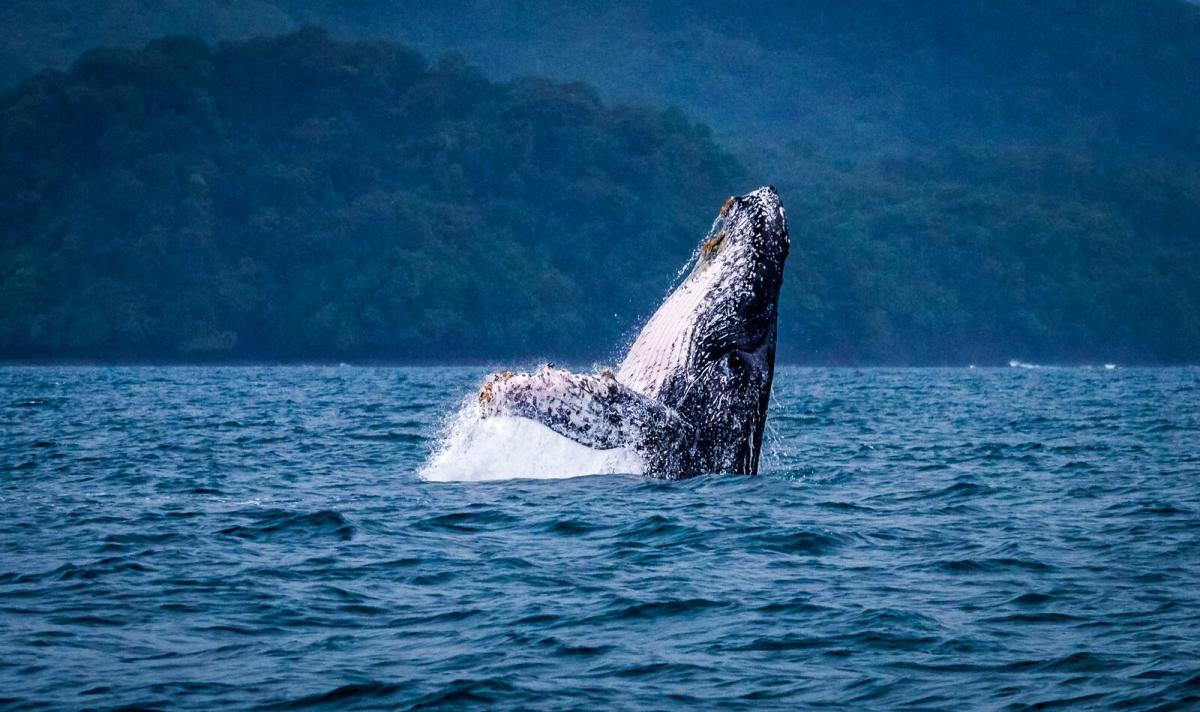
If you’re visiting us between June and October, don’t miss the chance to see humpback whales. Book a tour from Playa Cambutal and sail in search of these giants that visit us during their breeding season. Since the whales come to Panamá to mate and have their calves, we have the opportunity to see them when they are very active. Go on an adventure and look for them to see them breaching or slapping their fins freely.
-
Travel distance: 186 km from Tonosi to El Bongo, Montijo.
Want to keep exploring wildlife refuges?
Drive to the Gulf of Montijo to discover protected wetlands of more than 97,000 hectares. Wetlands are essential ecosystems as they help maintain a stable cycle of biodiversity in the region.
Some wetlands are so important that they have a global impact, and they’re classified as Ramsar Sites. The Gulf of Montijo is recognized with this title.
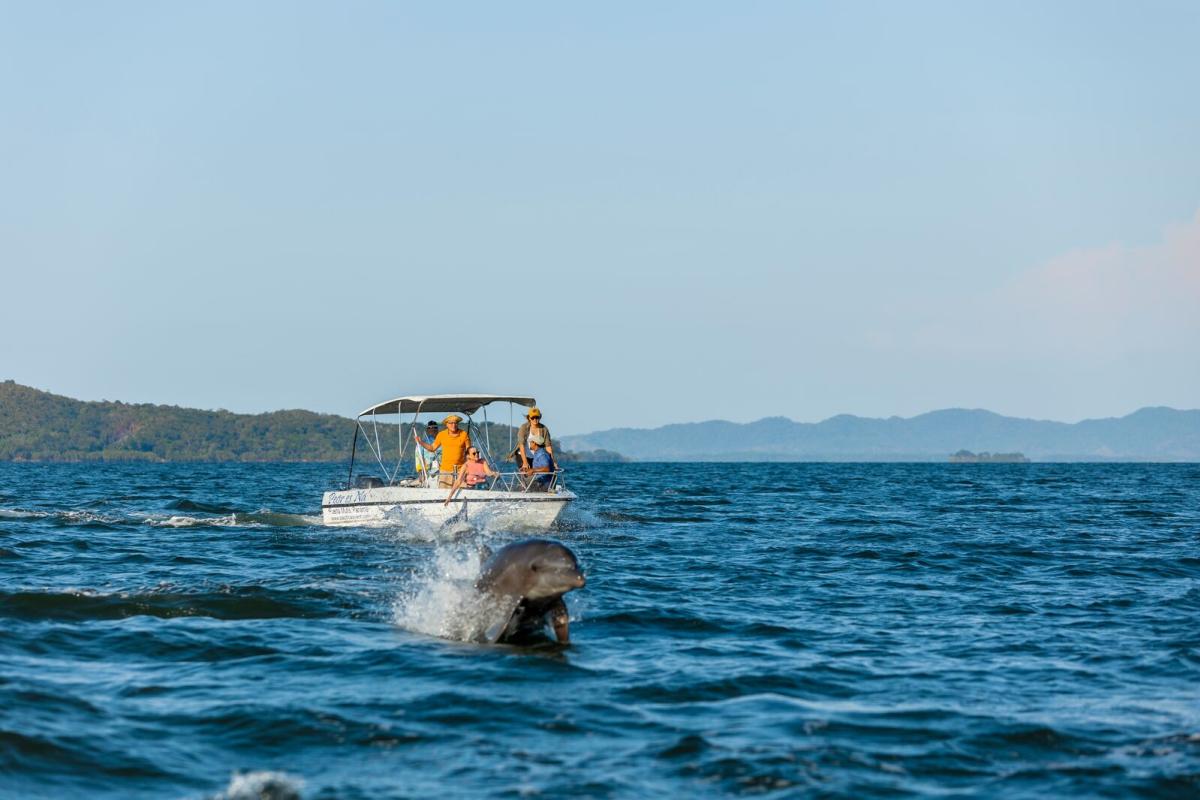
Take a kayak tour through the mangroves that clean the water and serve as protection for hundreds of species during their reproductive stages. Look for crocodiles, sharks, and even dolphins on the coasts, islands, and rivers of the gulf.
Don’t miss out
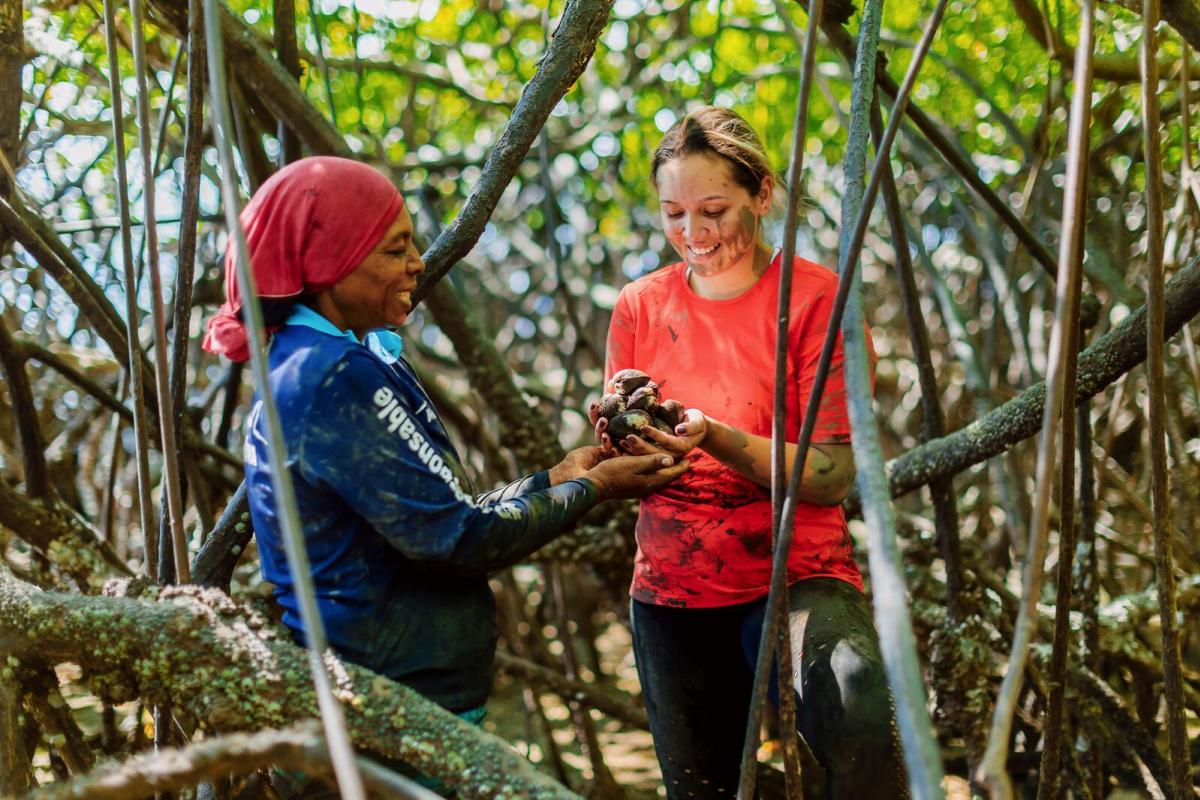
Exploring Montijo is like immersing yourself in an active experience of conservation and living culture. In these coastal communities, tourism is not a spectacle—it’s an invitation to participate. You can join local women doing traditional fishing activities, learn about their techniques that have been passed down through generations, and understand how sustainability drives their day-to-day lives.
Walk through ancient mangroves and participate in the collection of black shells, a practice that connects visitors with the wetlands. You can even contribute to reforestation work by planting mangroves that support marine life and protect the coasts. And if you work up an appetite, take part in a culinary experience where you’ll learn to prepare traditional dishes with local ingredients, strengthening the link between nature, food, and community.
-
Travel distance: 112 km from Montijo to Santa Catalina.
What to do?
We’re coming to the end of our trip. Take a day to enjoy the beach and, above all, to practice everything you learned about surfing.
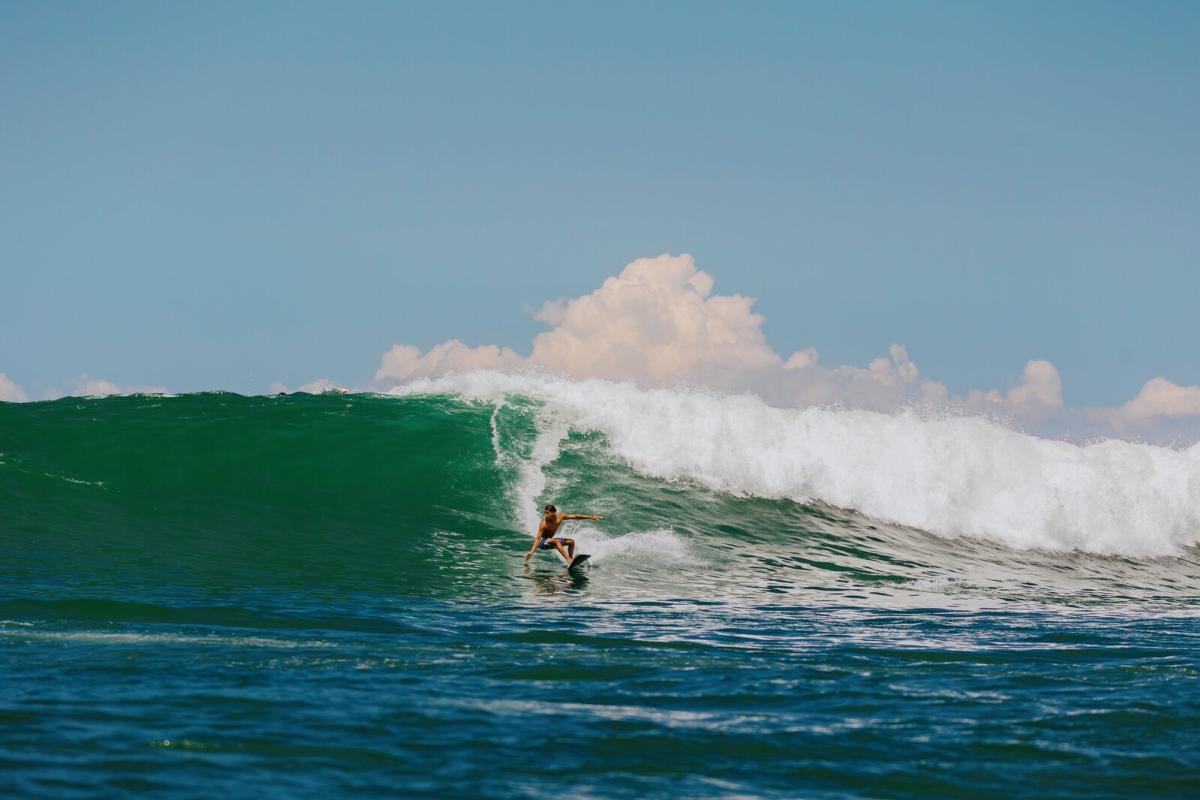
Santa Catalina is one of the most famous beaches among surfers in the country, and the size of its waves put Panamá on the map for surfers worldwide. The country has hosted international competitions and stars of the sport have come to visit.
The beach at Santa Catalina is rated as intermediate to advanced difficulty. If you don’t have enough experience, enjoy the beach and don’t mess with the waves.
-
Travel distance: We’ll stay in Santa Catalina.
Ready for the final touch?
Santa Catalina, in addition to having an excellent beach for surfing, is the gateway to Coiba National Park and the perfect grand finale for this route.
The park has protected areas including islands, beaches, the ocean, and the jungle—ecosystems with a perfect balance for wildlife to thrive. This park is a hot spot for bird and marine life lovers.
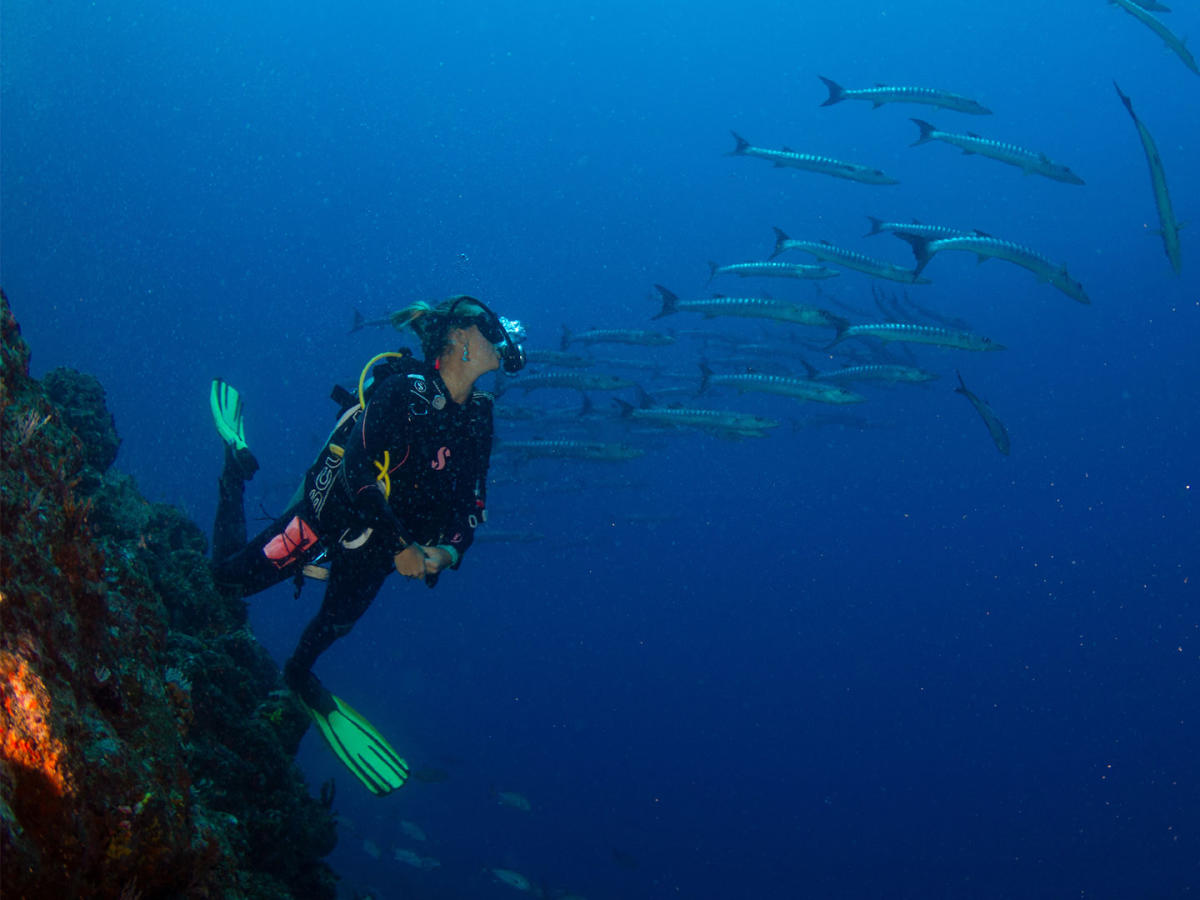
There is an endless number of plans here. Depending on what season it is when you visit, you can watch for whales, dolphins, and sea turtles. Dare to explore the depths of the ocean at one of the many dive sites and swim with sharks, over colorful reefs, and among schools of fish.
Don’t miss out
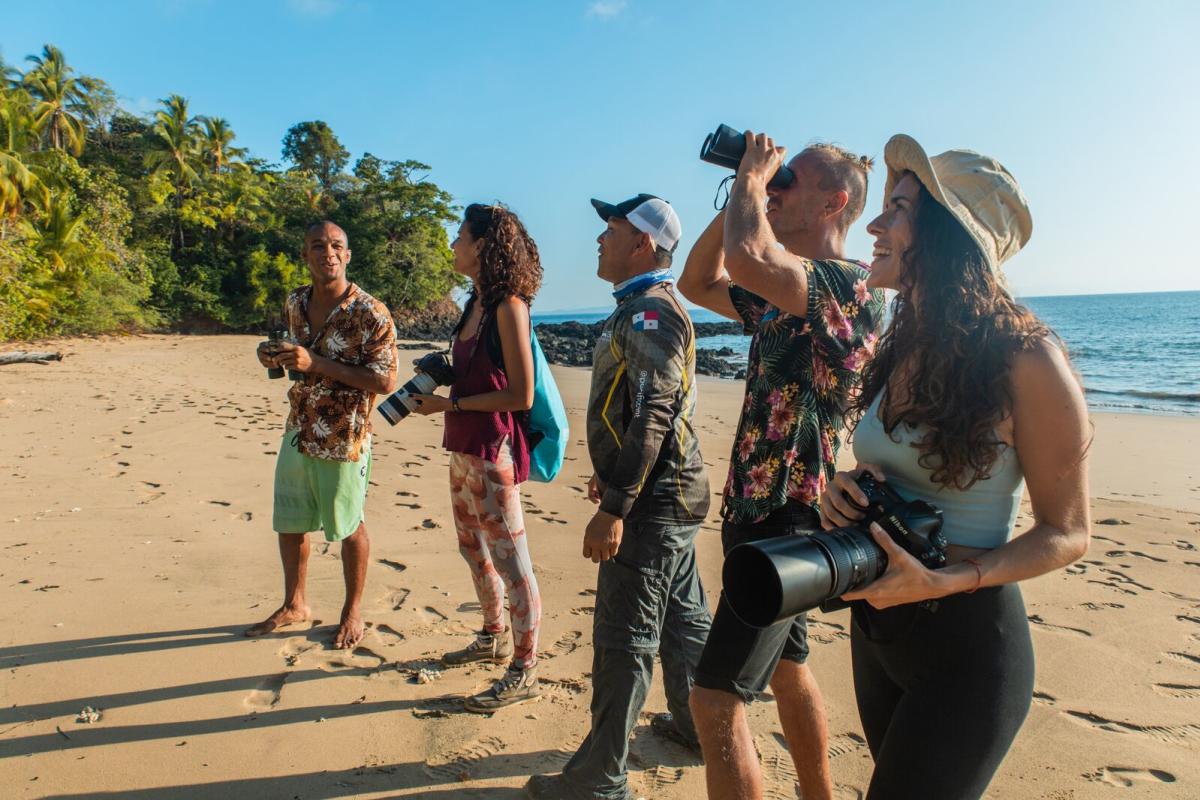
Take a bird-watching tour and look for scarlet macaws, which give a unique touch to the scenery as they fly overhead.
We’ve arrived at the end of the trip. After visiting wildlife refuges, enjoying the wind and waves during a good surf session, and discovering the birthplace of Panamanian culture, you’re ready to return home. If you have more time to spend and you want to keep exploring, go ahead and follow our Itinerary Through the Land of Coffee and Adventure to explore the provinces of Chiriqui and Bocas del Toro.
Tips
Before packing your bags and embarking on your adventure, keep in mind this essential information to make your trip a success.
Best Season: September
If you want to see as much wildlife as possible and to make your trip coincide with the season for migratory animals, September is a great option.
In Panamá, you’ll enjoy warm weather year-round. There are only two clear seasons here: the dry season, from December to April, and the green season the rest of the year.
Although the weather is a bit unpredictable in this second season and it rains almost every day, the weather always gets better and it doesn’t take long for the sun to shine again.
If you want to see lush green forests that are full of life, the wet season is definitely the best for discovering all the biodiversity in Panamá.
Explore Nearby Destinations
share your experience
#VisitPanama